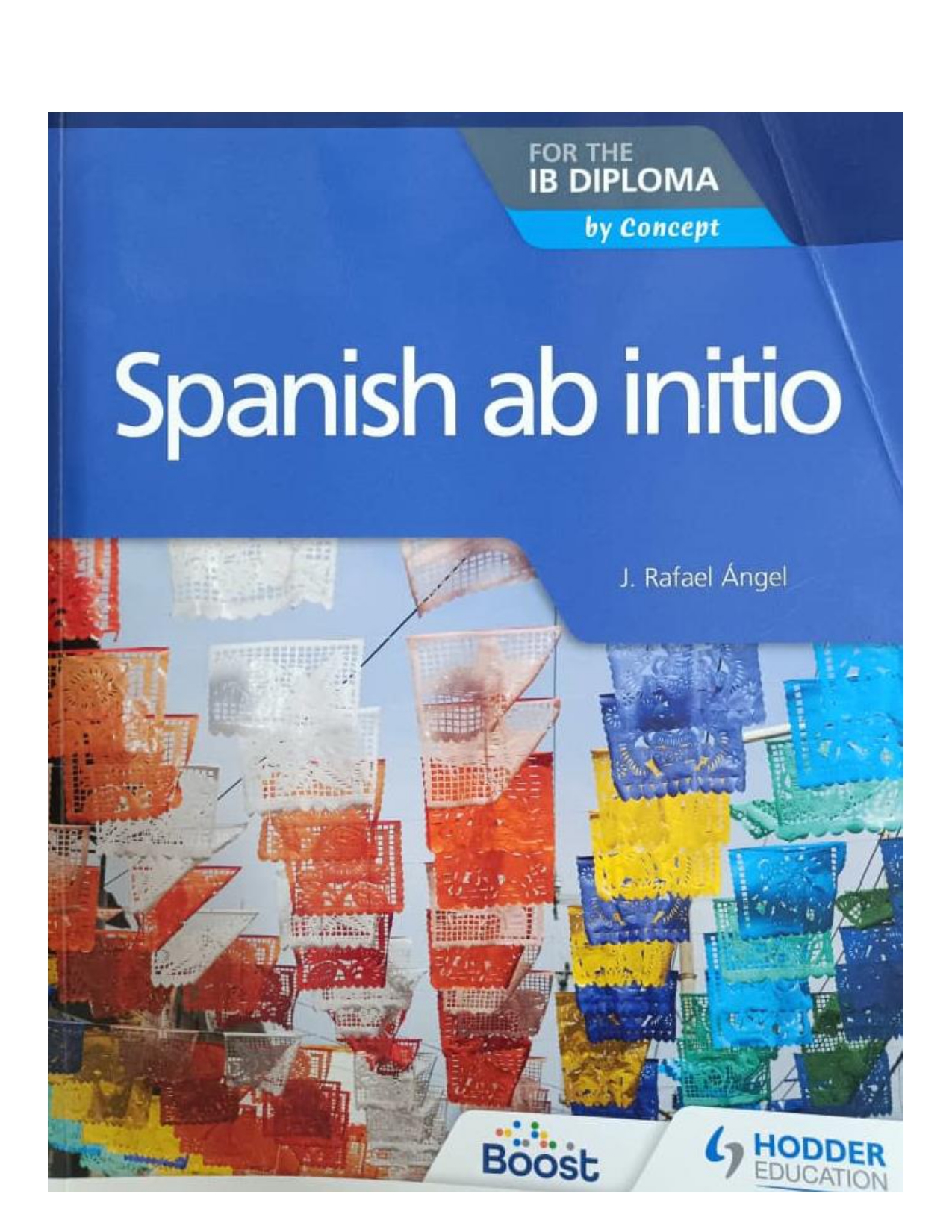
This is the IBDP Spanish Ab Initio course for G11 and G12 students. Here you will find useful resources to support your independent learning.
- Teacher: Mariela Barrero
This is the IBDP Spanish Ab Initio course for G11 and G12 students. Here you will find useful resources to support your independent learning.
Welcome to your online resource hub for First Language English. Here you will find materials that will help continue building your knowledge base and developing your reading and writing skills.
Storage for the materials used for our iGCSE Mathematics course 2025 until 2027
Cambridge IGCSE Global Perspectives provides opportunities to explore and reflect on key global issues from diverse perspectives: personal, local/national, and global.
This course encourages you to become more aware of global problems. It offers you opportunities to explore issues you are interested in; to work independently and to research on your own. It also gives you the chance to build your teamwork skills of collaboration and co-operation as you work with others to explore solutions to local issues. The course is not about getting everybody to think identically; it is about finding out what others think and feel about the global issues of today, reflecting on different perspectives, and considering others’ ideas.
The Diploma syllabus
The revised Diploma syllabus has been designed to help teachers (candidates) develop their professional thinking and practice, and enhance the quality of teaching and learning. It is for practising teachers, focusing on the development of knowledge, skills and understanding in the key aspects of teaching and learning. It is inclusive and relevant to all teaching and learning contexts: from primary and secondary general education, to vocational education and training, and to further, adult and higher education. It helps candidates to explore and apply new ideas in their own context, integrate new approaches in their own practice, and demonstrate their professional development as reflective practitioners.
Two essential principles underpin the design of the qualification: effective teaching and effective professional development. The programme involves a spiral of professional learning, each stage being a cycle of experiential learning and reflective practice following on from the previous cycle and leading on to the next. Areas of learning are revisited systematically within the programme so that the candidate can engage with these in more depth and detail, and acquire related knowledge and skills.
The spiral of professional learning in a Cambridge PDQ programme depends particularly on three processes:
• observation
• reflection
• learning with and from mentors.
These processes work together. It is crucial that candidates receive feedback to inform their continuous reflection on their learning experiences. Observation and reflection are much more effective with the support of a mentor.
The mentor develops a learning relationship with the candidate, supporting them during their work-based learning to make the most of the learning experience and to achieve the Cambridge qualification. The mentor understands the essential principles of the Cambridge PDQ, and provides helpful advice to their candidate, sharing their own experiences and knowledge.
This is an optional course for anyone who is interested, with lots of ideas on how to stay well, calm, and centred. If you have an idea for something that you don't see here already, please send a message and we can work out a solution together.

Welcome to Cambridge Art for Grade 6! This course introduces students to the exciting world of visual arts through exploration, creativity, and hands-on projects. Designed to align with the Cambridge Lower Secondary Art curriculum, this class encourages students to express themselves, experiment with different materials, and develop foundational artistic skills.
Throughout the year, students will explore a variety of art forms and techniques, including drawing, painting, printmaking, collage, and sculpture. They will learn to observe the world around them, generate ideas, and bring their creative visions to life. Along the way, students will also discover artists and artworks from different cultures and time periods, building their understanding of art's role in society.
Key areas of focus include:
Developing skills in observation and mark-making
Experimenting with color, line, texture, and composition
Exploring a range of materials and techniques
Learning to reflect on and discuss their own work and the work of others
Building confidence in creative expression and problem-solving
What to expect on this Moodle page:
Project guides and step-by-step instructions
Examples of student work and master artists for inspiration
Video tutorials and interactive resources
Assignment submission and feedback tools
A gallery space to celebrate and share student creations
This course is designed to nurture each student's unique creative voice while building a strong foundation for future artistic learning. Whether your child is an experienced young artist or just beginning to explore, this class offers a supportive and inspiring space to create, experiment, and grow.
Let's make, explore, and imagine together!
Social Studies consists of two subjects: Cambridge Lower Secondary Global Perspectives and Global History.
-Cambridge Lower Secondary Global Perspectives develops transferable skills that support learners in their studies and their everyday lives. Students will develop research, analysis, evaluation, reflection, collaboration, and communication skills through age-appropriate and engaging activities based on a broad range of topics. Each unit is based on a ‘Challenge’ which requires students to use these skills to complete a project.
-Global History develops students’ knowledge of the past and builds their historical skills. The curriculum is knowledge-rich and geographically diverse, giving students a solid framework of the past that will enrich their understanding of the world they live in. Students will build their thinking from the ground up, with subject knowledge providing a gateway to more complex tasks – such as source analysis and extended writing. Each unit is based on an ‘Enquiry Question’ which requires students to use their subject knowledge to answer a historical question.
Used for file sharing for grade 6 science by Edwin Zwanenbeek
This course helps students build a strong foundation in mathematics by developing creativity, problem-solving skills, and connections to real-world applications. Students will explore numbers and calculations, expressions and equations, geometry, measurement, and statistics & probability. Learning involves hands-on activities, technology, and collaborative projects to foster reasoning, communication, and confidence in math.
Welcome students to our Grade 6A Advisory page. Here you will find the link to our BBB sessions. We will also post all the required information.

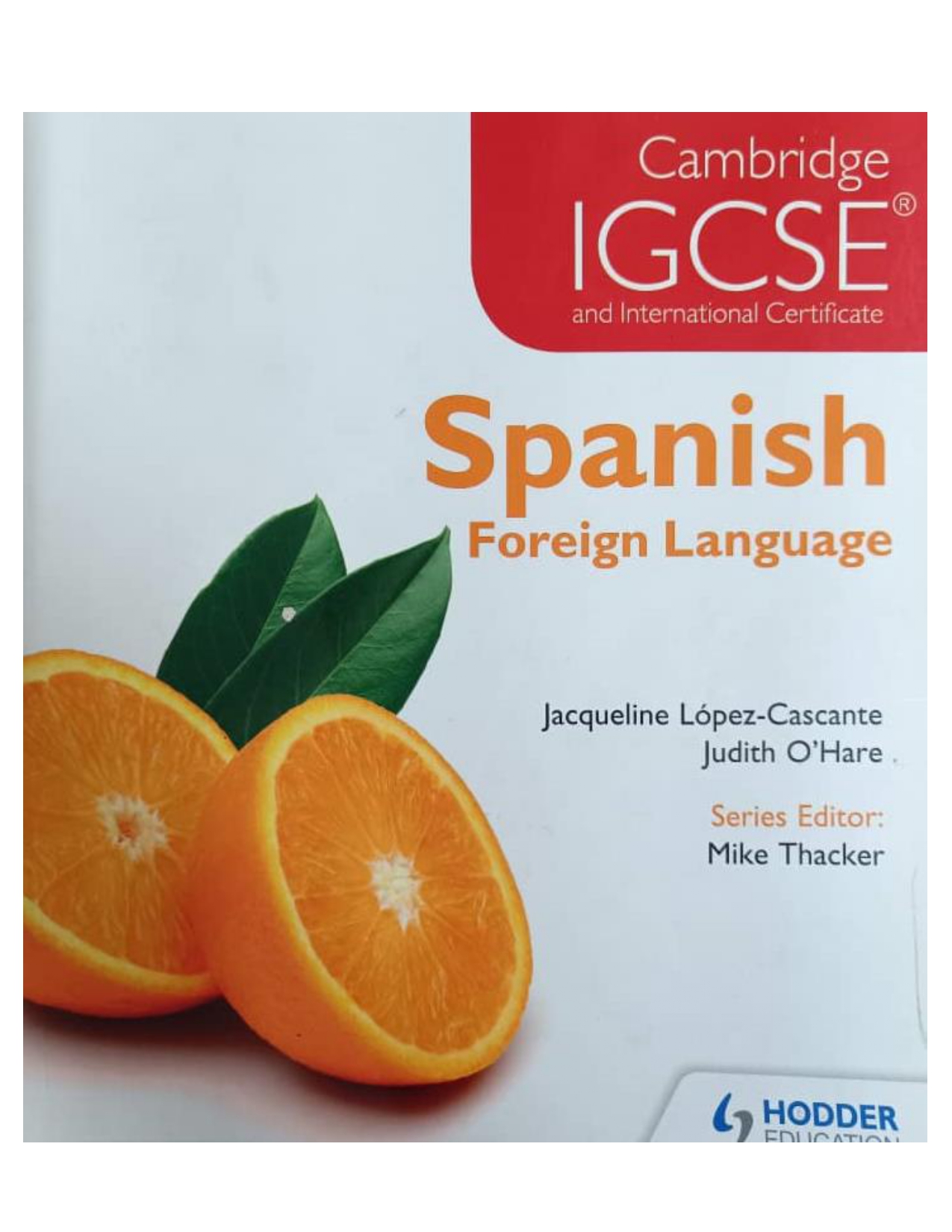
Welcome to Secondary School and welcome to your Spanish Foreign Language course! You will enjoy communicating in Spanish and becoming familiar with the cultures of countries where Spanish is spoken. You will listen, read, speak and write in Spanish for different purposes and you will thereby expand your command of the Spanish language. Enjoy your learning journey!
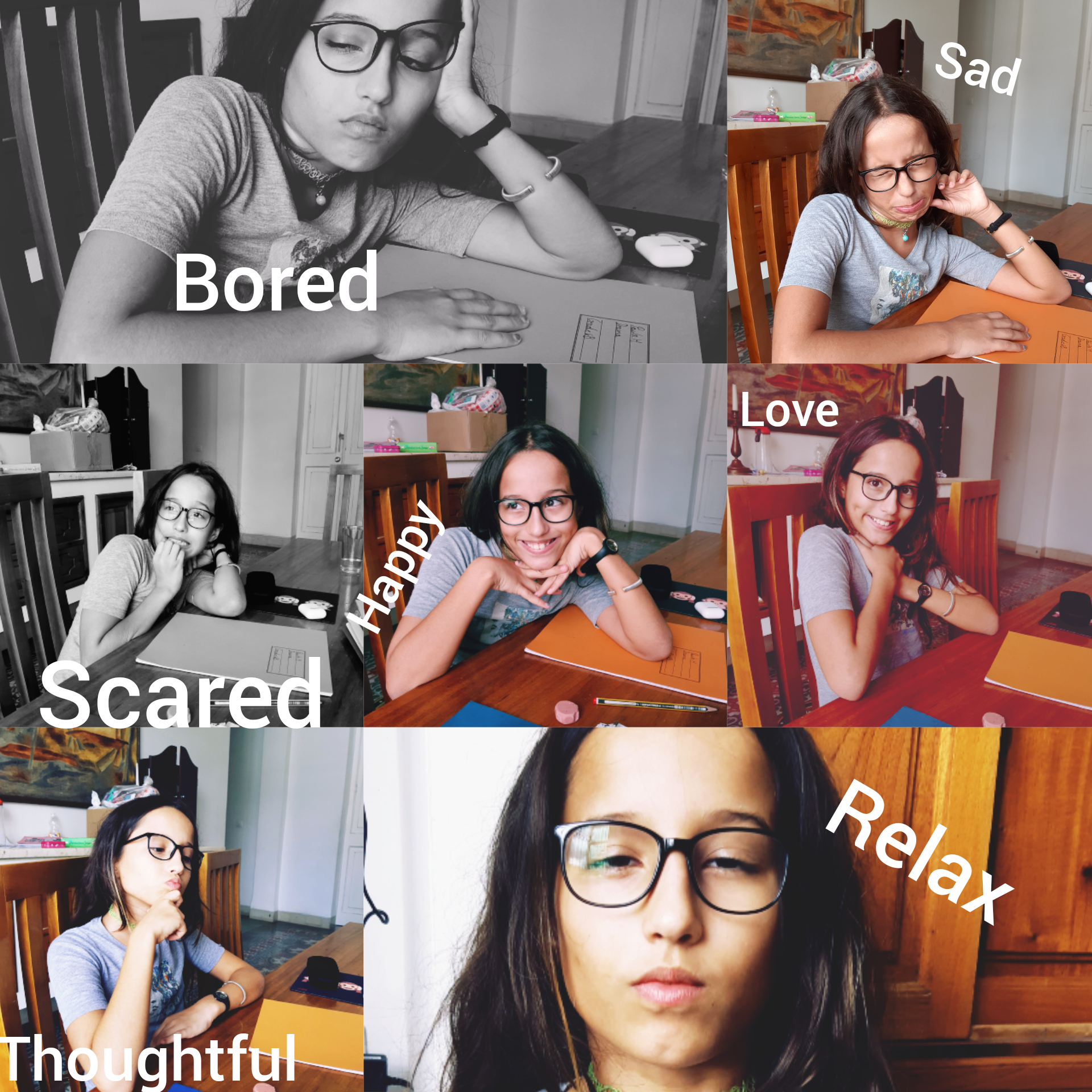
Learn basic theater principles in stage movement, voice, diction, and pantomime. Study the history and vocabulary of theater. Practice techniques to overcome stage-fright and develop self-confidence. Concentrate on improvisational techniques and acting skills for in-class performance and video projects.
Write original scenes as well as acting skills for in-class performance and video projects. Write original scenes as well as act in established scenes.
Develop oral interpretation skills.
Hello! This is the study skills class for 6B, with Ms Bethan!


This is a series of extra work that can be completed over the April Break. This work will not be assessed by subject teachers but Ms. Jasmine can provide feedback if you wish.

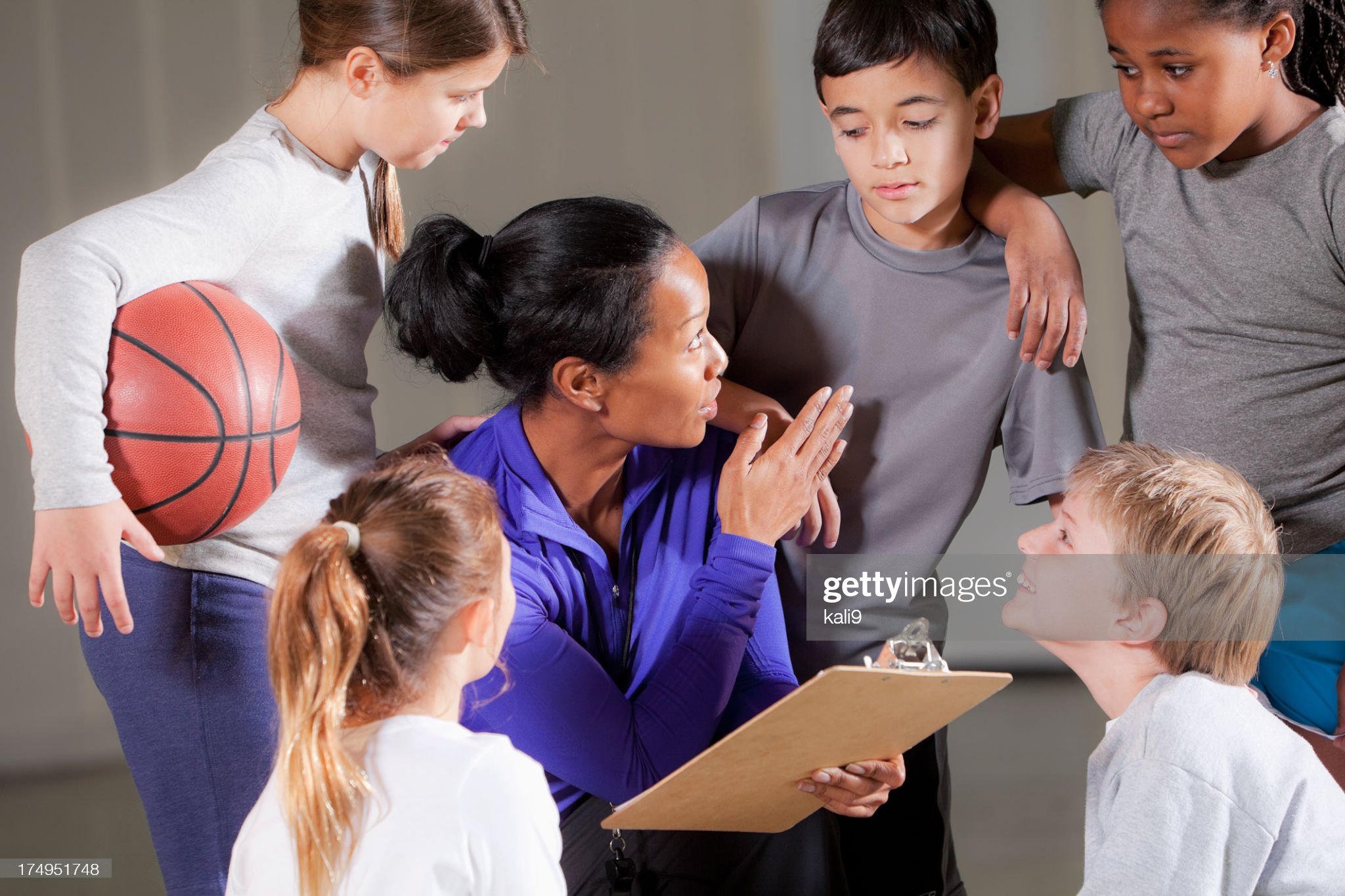
This course provides students with opportunities to acquire knowledge related to team and individual sports such as: athletics, tennis, basketball, soccer, swimming. Grade 6 students will be also able to develop their physical fitness and acquire knowledge of health-related fitness throughout their participation in this course.

This course has been designed to contain the fundamental notions of the subject of ICT for grades 6,7 and 8 students.

Grade 6 First
Language students start to develop literacy skills in language and literature.
They study fiction prose, drama, and poetry. They begin to build their
awareness of global issues and the impact of culture and context on texts.
Students will focus on key literacy skills such as inferring and deducing,
sentence structures and punctuation, effective word choices and how to plan and
structure a range of different texts.
The EAL program for the students in Grades 6 is designed to assist students whose first language is not English, to develop English language competence in the modes of Speaking, Reading, Writing and Listening. Students are provided with a range of opportunities to expand their linguistic repertoires in a safe and respectful environment where everybody’s contributions are welcomed. While they develop these skills they will be exposed to the acquisition and expansion of vocabulary and grammar rules.
Through learning EAL, students build their capacity to communicate confidently and effectively. This learning also strengthens their understanding of the nature of language and culture, and the way that language changes according to purpose, form and audience. By learning to use and adapt language according to specific contexts, EAL learners build relationships with their peers and the wider world around them. The study of EAL equips students with the skills to become lifelong learners and critical thinkers.
French Foreign Language Course is intended for beginners.
Welcome to Science 6!! Here is where you will find your daily/weekly lessons and assignments. Be sure to check in here every scheduled lesson to see the plan for the week and the day.
Grade 7 English students continue to build on the work done in Grade 6
in literacy skills in English. They study non-fiction and fiction prose, drama,
media texts and poetry. They begin to build their awareness of global issues
and the impact of culture and context on texts. Students will focus on key
literacy skills such as inferring and deducing, sentence structures and
punctuation, effective word choices and how to plan and structure a range of
different texts.

Math 7 students will develop mathematical knowledge and skills in a way that provides satisfaction and enjoyment. Students are encouraged to apply mathematics in everyday situations and develop an understanding of the part which mathematics plays in the world around them. Topics covered in this course include number sense, algebraic reasoning, measurements, geometric properties, and handling data. These five content areas are underpinned by problem-solving, which provides a structure for the applications of mathematical skills. Course concepts are reinforced through the use of mental math and estimation to determine the validity of a solution. Learning is facilitated by providing relevant, student-centred mathematical experiences that include modelling, the use of manipulatives and graphic representations, and technology integration in ways that help students to increasingly make connections between mathematics and other disciplines.

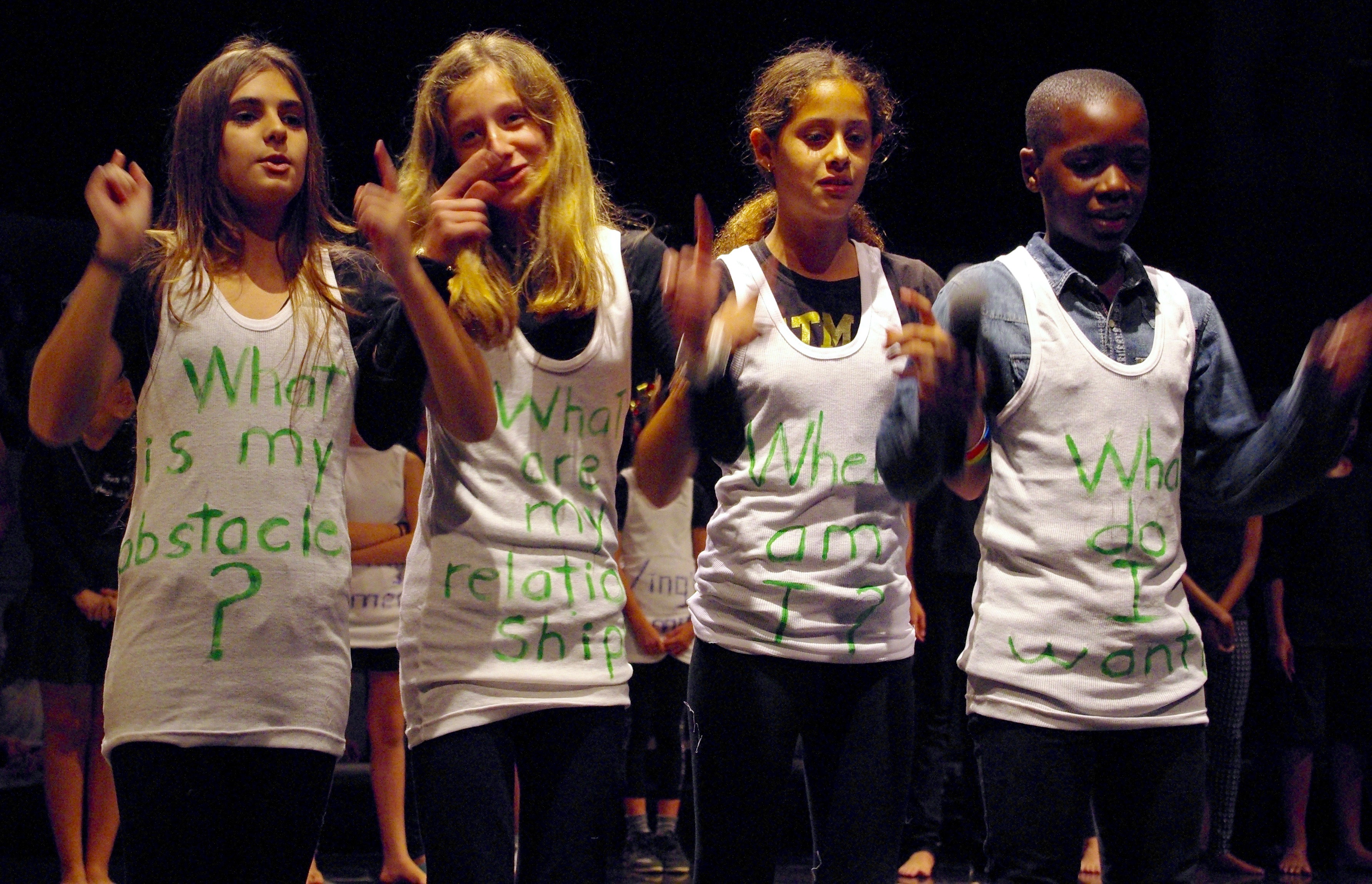
Drama is a dynamic, collaborative and live art form. It is a practical subject that encourages discovery through experimentation, the taking of risks and the presentation of ideas to others. It results in the development of both theatre and life skills; the building of confidence, creativity and working collaboratively.
AIMS
● Create and present art
● Develop skills specific to the discipline
● Engage in a process of creative exploration and (self)-discovery
● Make purposeful connection between investigation and practice
● Understand the relationship between art and its contexts
● Respond and reflect on art
● Deepen their understanding of the world

The course is designed around three central themes: 1. Information, 2. Creativity, and 3. Digital Citizenship. The main objectives of each of them is different although they intentionally collide. For Information themed units, the objective is for students to develop communication competencies through digital means and to understand how to use digital resources to search for, present, verify, and validate information. For Creativity units, the objective is for students to utilize digital resources to create, express, design, and transform. Lastly, in the Digital citizenship themed unit, students are to develop a practical understanding of online safety, digital etiquette and decorum, and virtual responsibility.
This is your online Science course for the year 2022-2023
Enjoy!
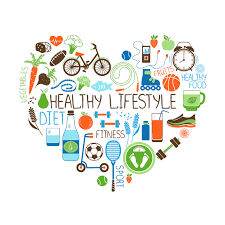
Grade 7 students will perform movement skills in the kind of combinations that are required in a variety of modified games, such as: locomotion/traveling and hopping in combination, manipulation and stability (e.g., running and jumping and landing, as in long jump). Besides, they will describe healthy eating, growth and development, personal safety and injury prevention.
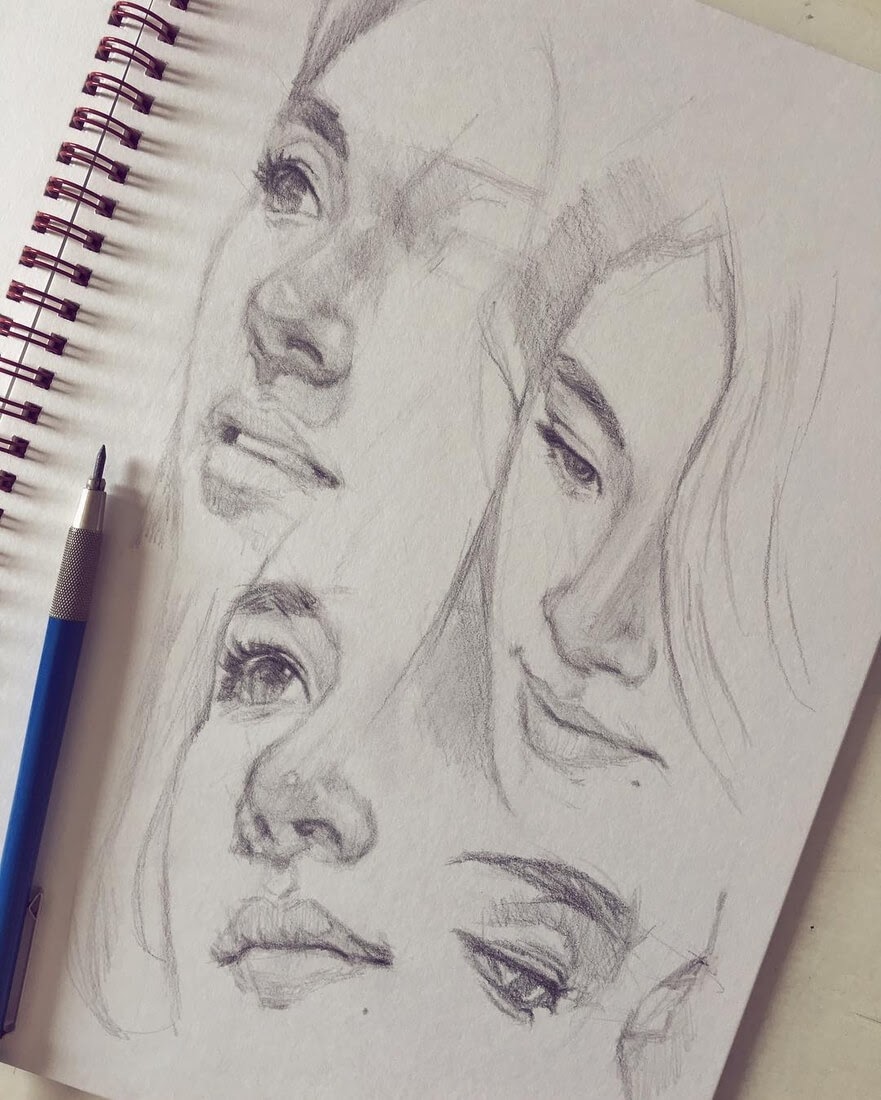
The MS Visual Arts program in Grade 7 is focused on the development of creative thinking and expression. Students will experience different aspects of drawing, painting, printmaking, sculpture, mixed media, and digital art. Students peer assess, self-assess and reflect regularly throughout the course. They work in groups, pairs and individually, and participate regularly in discussions linking to core classes, community, and service whenever possible. Students are encouraged to participate in art challenges and competitions. The visual arts assessment consists of both the finished products (Studio Work) and the process of artistic investigation and development (Art Journal and Blog). This two-part assessment, Studio Work and the Art Journal, is standard in middle school and high school art classes.
The Visual Arts programme in Secondary Middle Years enables students to engage in both practical exploration and artistic production, as well as to approach to visual and critical investigation. The course is designed to engage students into the study of, and to enable life enrichment through, visual arts as a holistic learning experience.
The MS Visual Arts program in Grade 7 is focused on the development of creative thinking and expression.
This course is created for French Foreign Language Beginners. You will discover the language and french culture.
The Grade 8 EAL intermediate/advanced course is addressed to students whose first language is not English by developing linguistic competence in Listening, Speaking, Reading, and Writing skills. Students are exposed to a range of opportunities where their linguistic repertoire may be enhanced in a safe and constructive environment. Skill-building opportunities are also supported through the awareness and acquisition of vocabulary and grammatical rules.
Through learning, EAL students build their capacity to communicate confidently and effectively while strengthening their understanding of the nature of English language and culture, as well as the need to tailor message according to purpose, form and audience.
This course focuses on six content areas: Number, Algebra, Geometry, Measure, Handling data
and
Problem solving which provides a structure for the application of
mathematical skills. They all form a progressive step preparing students
for entry onto IGCSE level courses. The areas to study range from
principles, patterns, systems, functions and relationships so that the
students can apply their mathematical knowledge and develop a full
understanding of the subject.

Welcome to your G8 Science course!


Grade 8 Spanish First
Language students are afforded the opportunity to build on the work done in
Grade 7 in literacy skills in this language. They study non-fiction and fiction
prose, drama, media texts and poetry. They begin to build their ability to read
critically and question perspectives, voices and bias in texts. They also begin to consider the importance of
context on the production of both literary and non-literary texts (such as
adverts and writing in the media). Students will focus on key literacy skills
such as inferring and deducing, using structures and vocabulary to achieve
effects, and critical reading.
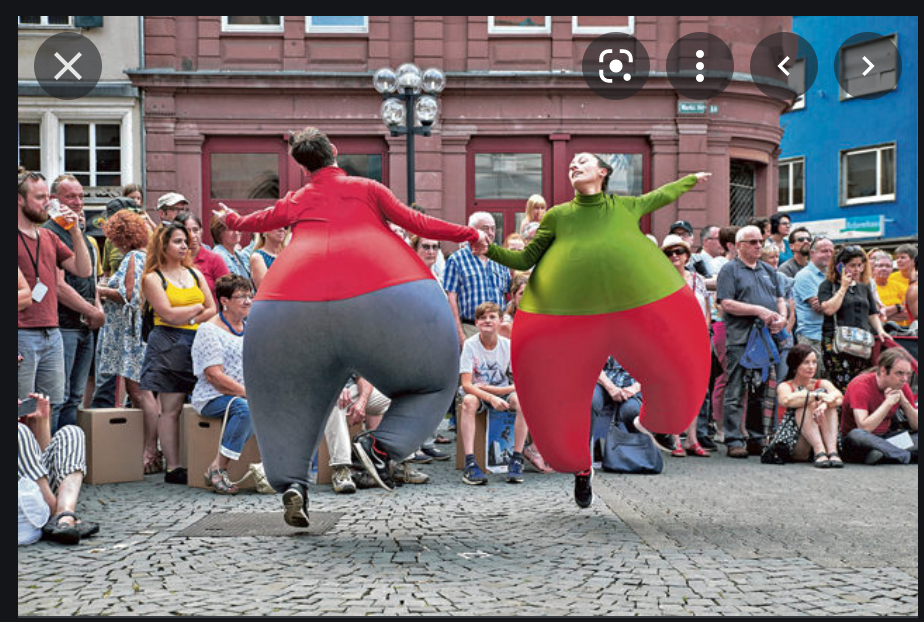
This course serves as an in-depth introduction to the craft of acting. All students will be introduced to beginning acting techniques to develop, define, and practice the artistic expression with technical proficiency. Students will learn to use the voice and body as instruments of self-expression and communication in performance and will develop their mental, physical and vocal flexibility. Students will be challenged to expand their expressive potential as they exercise body, voice and imagination through improvisation, acting with words, acting without words, ensemble work, characterization, experimentation, acting exercises, and monologues.

In
ICT students will deepen their understanding of different digital resources
that are part of their academic and everyday lives. They will develop skills
that will aid them in the research and presentation of information as well as
the development of their creative and problem-solving abilities. ICT takes on a
practical approach to the understanding of digital resources and is developed
around different projects that coincide with the different units of the course
and that allow students to demonstrate their understanding and abilities. These
projects serve as the student’s main form of evaluation. We work with image
editing and design software, coding applications, online resources, text
editors, game design software, modeling software to produce posters, edited
photographs, digital paintings, image compositions, stylized documents,
publications, presentations, graphs, charts, games, websites, 3d models and
edited videos.

En este curso de primera lengua, los estudiantes desarrollarán sus habilidades de comprensión lectora, expresión escrita con diferentes fines de comunicación y la apreciación literaria.

This is a series of extra work that can be completed over the April Break. This work will not be assessed by subject teachers but Ms. Jasmine can provide feedback if you wish.
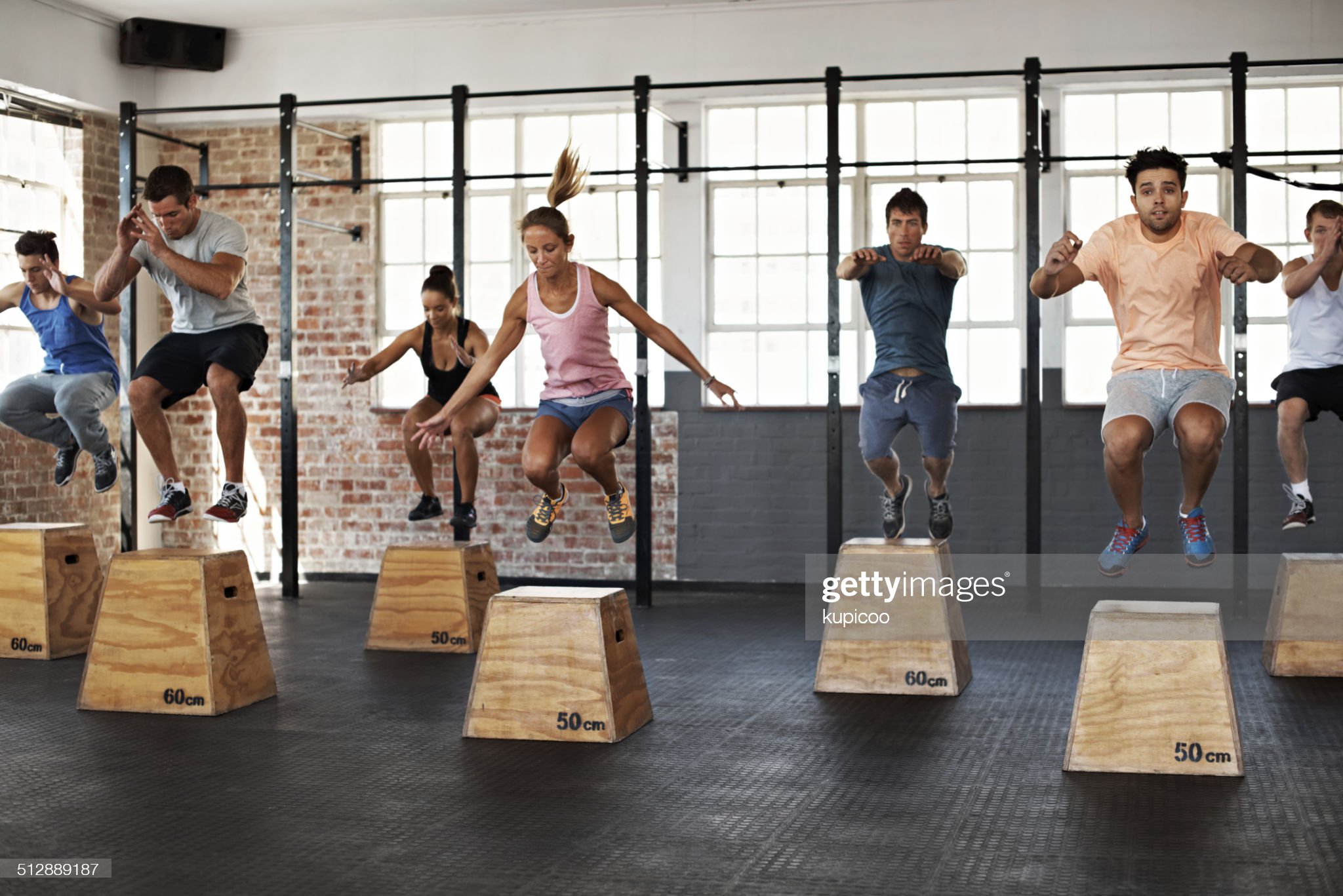
The purpose of this course is to promote the development and maintenance of personal fitness. Course content includes knowledge of personal fitness, fitness assessment and regular physical activity based on the value and benefits of exercise in daily living. In addition to setting and working toward personal fitness goals, students have opportunities to practice positive social skills as they gain understanding of how a healthy lifestyle affects their quality of life.
This course will also provide opportunities to learn/develop /master the skills needed in team and idividual sports such as: athletics, tennis, basketball, soccer, swimming.
The
MS Visual Arts program in Grade 8 is focused on the development of creative
thinking and expression. Students will experience different aspects of drawing,
painting, printmaking, sculpture, mixed media, and digital art. Students peer
assess, self-assess and reflect regularly throughout the course. They work in
groups, pairs, and individually, and participate regularly in discussions linking
to core classes, community, and service whenever possible. Students are
encouraged to participate in weekly art challenges and art competitions. The
visual arts assessment consists of both the finished products (Studio Work) and
the process of artistic investigation and development (Art Journal and Blog).
This two-part assessment, Studio Work and the Art Journal, is standard in middle
school and high school art classes.

Welcome to IGCSE World Literature for Grade 9! This course invites students to explore a rich and diverse collection of literary works from around the globe. Designed to align with IGCSE standards, the course encourages critical thinking, cultural awareness, and a deep appreciation for the power of storytelling.
Throughout the year, students will engage with novels, short stories, poetry, and drama from a variety of authors, cultures, and historical periods. Through close reading, discussion, and analytical writing, students will develop the skills to interpret themes, characters, and literary techniques, while also drawing connections between texts and the world around them.
Key areas of focus include:
Reading and responding to literature from different cultural contexts
Developing skills in literary analysis and critical interpretation
Building vocabulary and improving written expression
Preparing for the IGCSE World Literature assessment components
This Moodle page will serve as our central hub for all course materials, assignments, and updates. Here, students will find:
Unit outlines and reading schedules
Discussion forums for sharing ideas and asking questions
Links to digital texts and multimedia resources
Submission portals for assignments and projects
Whether you are discovering a new favorite author or deepening your understanding of a classic text, this course aims to inspire curiosity and a lifelong love of literature. Let’s explore the world through words!

Aims
The aims describe the purposes of a course based on this syllabus.
The aims are to enable students to:
• acquire and consolidate a range of musical skills, knowledge and understanding, through the activities of
listening, performing and composing
• develop an understanding of a variety of musical traditions
• develop a perceptive and critical response to music
• develop creative and interpretative skills through composing and performing
• develop an enthusiasm for exploring diverse musical styles and genres through listening, performing and
composing
• develop a secure basis for further study in music.
Content overview
Candidates develop an understanding of music through the three skills of listening, performing and composing,
and seven areas of study:
1 Baroque music
2 Classical music
3 Romantic music
4 Music and words
5 Music for dance
6 Music for small ensemble
7 Music for stage and screen
IGCSE English as a Second Language is a two-year course intended for students in Grades 9 and 10 who will have the opportunity to develop their communicative ability in English as well as their understanding of English in a range of everyday situations, including a variety of social registers and styles. By design, the course aims to develop learners’ ability to use English effectively for the purpose of practical communication; form a solid foundation for the skills required for further study or employment using English as the medium; develop learners’ awareness of the nature of language and language-learning skills, as well as promote learners’ personal development.
IGCSE Computer Science (CS) provides an ideal foundation in computer science. Learners gain confidence in computational thinking and programming, an appreciation of automated and emerging technologies and the benefits of their use. They develop an understanding of the main principles of problem-solving by creating computer-based solutions using algorithms and a high-level programming language.
CS is a practical subject and a range of practical exercises must be integral to the teaching of this qualification. The learners will develop their computational thinking skills by doing practical problem solving and programming using appropriate resources. It is also expected that learners have the opportunity in class to write their own programs, as well as executing (running), testing and debugging them.
The aims are to enable students to develop:
IGCSE Computer Science encourages learners to be:

This course encourages you to become more aware of global problems. It offers you opportunities to explore issues you are interested in; to work independently and to research on your own. It also gives you the chance to build your team-working skills of collaboration and co-operation as you work with others to explore solutions to local issues. The course is not about getting everybody to think identically; it is about finding out what others think and feel about the global issues of today, reflecting on different perspectives and taking others’ ideas into consideration.
Course Outline
This course is designed to promote the development of personal fitness. Course content includes knowledge of all the elements of personal fitness, fitness assessment and regular physical activity based on the value and benefits of exercise for daily living. In addition, to setting and working toward personal fitness goals, students have opportunities to practice positive social skills as they gain understanding of how a healthy lifestyle affects their quality of life.
Course Objectives
Students will be able to:
Engage in regular physical activity, develop a personal level of physical fitness and enough knowledge to allow the pupil to pursue a healthy and active lifestyle and encourage life-long participation.
Describe the functions of the skeleton and joints
Describe the structure, function and location of the main muscles in the human body
Explain the structure and functioning of the respiratory system
Explain different types of motivation and mental preparation
Differentiate different types of Physique and their relationship to certain sports
Identify different types of drugs and their effect on performance
Cambridge IGCSE Co-ordinated Sciences gives learners the opportunity to study biology, chemistry and physics within a scientifically coherent syllabus and is accepted by universities and employers as proof of essential knowledge and ability.
As well as a subject focus, the Cambridge IGCSE Co-ordinated Sciences syllabus encourages learners to develop:
a better understanding of the technological world, with an informed interest in scientific matters
a recognition of the usefulness (and limitations) of scientific method, and how to apply this to other disciplines and in everyday life
relevant attitudes, such as a concern for accuracy and precision, objectivity, integrity, enquiry, initiative and inventiveness
an interest in, and care for, the environment
a better understanding of the influence and limitations placed on scientific study by society, economy, technology, ethics, the community and the environment
an understanding of the scientific skills essential for both further study and everyday life.
Cambridge IGCSE Co-ordinated Sciences gives learners the opportunity to study biology, chemistry and physics within a scientifically coherent syllabus and is accepted by universities and employers as proof of essential knowledge and ability.
As well as a subject focus, the Cambridge IGCSE Co-ordinated Sciences syllabus encourages learners to develop:
a better understanding of the technological world, with an informed interest in scientific matters
a recognition of the usefulness (and limitations) of scientific method, and how to apply this to other disciplines and in everyday life
relevant attitudes, such as a concern for accuracy and precision, objectivity, integrity, enquiry, initiative and inventiveness
an interest in, and care for, the environment
a better understanding of the influence and limitations placed on scientific study by society, economy, technology, ethics, the community and the environment
an understanding of the scientific skills essential for both further study and everyday life.
IGCSE
English as a Second Language is a two-year course intended for students in
Grades 9 and 10 who will have the opportunity to develop their
communicative ability in English as well as their understanding of the language in a
range of everyday situations, including a variety of social registers and
styles. By design, the course aims to develop learners’ ability to use English
effectively for the purpose of practical communication; form a solid foundation
for the skills required for further study or employment using English as the
medium; develop learners’ awareness of the nature of language and
language-learning skills, as well as promote learners’ personal development.
This is where we will do our LAL classes on Tuesday mornings.

The IGCSE First Language Spanish Course is a two-year course for students in Grades 9 and 10 whose command of the language is that of native or near native users. This course affords the students the opportunity to develop their listening, speaking, reading and writing skills for a wide range of academic and communicative purposes. Students will respond with understanding to a rich array of reading texts during the course as a whole. Candidates will use these texts to inform and inspire their own writing, and will write in a range of text types for different purposes and audiences. Candidates are encouraged to become appreciative and critical readers, writers, speakers and listeners.

IGCSE Economics course emphasize in the basic concepts needed for students to understand main economic theories. For example, in an approach to microeconomic theory, it includes themes like: the basic economic problem, resource allocation, the individual as producer, consumer and borrower, the role of a government in an economy and the private firm. On the other hand, in terms of macroeconomics and international aspects, the course provide a wide range of topics such as: economic indicators, developed and developing economies, current account of the balance of payment, exchange rates, the merits of the free trade, the merits of protection, among others. These economic theories are not to be studied in a vacuum-rather, they are to be applied to real-world issues. Prominent among these issues are fluctuations in economic activity and environmental sustainability.
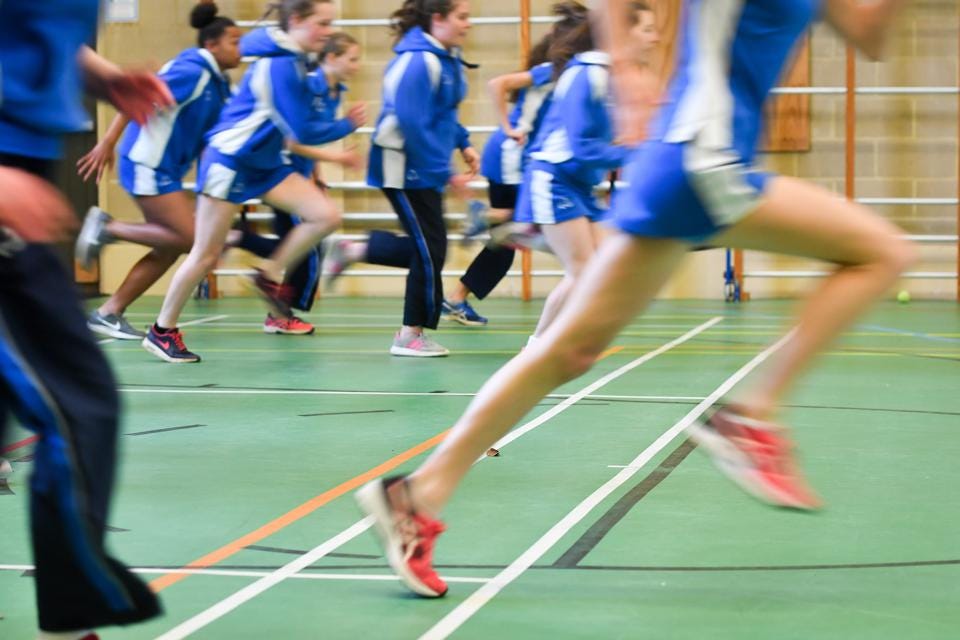
Students will examine the factors that affect performance in sports. They will identify functions of the skeleton and their relevance to performance and participation in practical activities. Students should also study the different types of joints, the essential parts of joints, and types and ranges of movements. They should know the most important muscles groups and their role in movement and how they work.
Grade 9-10 students should gain an understanding of what motivates people to participate in physical activities and how they prepare for exercise, understand how skills are learned.
Besides, grade 9-10 students will analyze Healthy Eating, Growth and Development, and Personal Safety and Injury Prevention.

When studying the Cambridge IGCSE Music syllabus, learners listen to, perform and compose music, encouraging aesthetic and emotional development, self-discipline and, importantly, creativity. As a result, learners enhance their appreciation and enjoyment of music, an achievement that forms an ideal foundation for future study and enhances lifelong musical enjoyment. Learners study music of all styles; each style is placed in its historical and cultural context, and learners are encouraged to be perceptive, sensitive and critical when listening.
This course provide all you need to prepare for your Cambridge IGCSE in French qualification. It also teaches you about the way of life of the people in the French-speaking world and about the language they speak.


IGCSE Computer Science (CS) provides an ideal foundation in computer science. Learners gain confidence in computational thinking and programming, an appreciation of automated and emerging technologies and the benefits of their use. They develop an understanding of the main principles of problem-solving by creating computer-based solutions using algorithms and a high-level programming language.
CS is a practical subject and a range of practical exercises must be integral to the teaching of this qualification. The learners will develop their computational thinking skills by doing practical problem solving and programming using appropriate resources. It is also expected that learners have the opportunity in class to write their own programs, as well as executing (running), testing and debugging them.
The aims are to enable students to develop:
IGCSE Computer Science encourages learners to be:
Welcome to your online resource hub for First Language English. Here you will find materials that will help continue building your knowledge base and developing your reading and writing skills.
IGCSE English as a Second Language is a two-year course intended for students in Grades 9 and 10 who will have the opportunity to develop their communicative ability in English as well as their understanding of English in a range of everyday situations, including a variety of social registers and styles. By design, the course aims to develop learners’ ability to use English effectively for the purpose of practical communication; form a solid foundation for the skills required for further study or employment using English as the medium; develop learners’ awareness of the nature of language and language-learning skills, as well as promote learners’ personal development.
This course provide all you need to prepare for your Cambridge IGCSE in French qualification. It also teaches you about the way of life of the people in the French-speaking world and about the language they speak.
This course covers a variety of topics varying from numerical operations
and properties, algebraic manipulation and handling data based on statistical
correlations, recognizing patterns and structures and use special
relationships. You will learn to interpret mathematical results and understand their significance.
It also aims to develop methods of problem solving supported by both analytical and graphical techniques. To that end, an essential tool is a GDC - graphical devise- for which the TI-84+ graphical calculator is recommended.
Welcome to your IGCSE World Literature course. Here, you will learn, share, appreciate and enjoy! Your talents and creativity are invited and highly appreciated! The idea is to enjoy literature from different parts of the world and different periods of time, while we work toward the development of literary analysis and academic writing skills.
Course Description
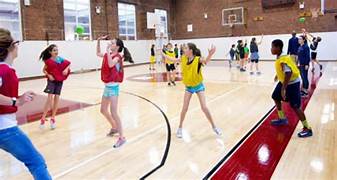
Grade 10 P.E is a balanced course that has been designed to improve students’ performance and knowledge of rules, game strategies, movement concepts and principles of physical activity. This course also fosters the development of positive attitudes, active participation, problem-solving and lifelong skills. The units of work are: health and fitness, athletics, soccer, sports (games) and swimming. The lessons are divided into two sessions:
Session 1: Theoretical content (15 minutes)
Session 2: Practical activity (45 minutes)
Students will be assessed through their participation in both, the theoretical and practical sessions in every lesson. They will also be assessed through the unit tests and The Physical Skill Test at the end of every term.Course Objectives
Grade 10 P.E students will:
· Demonstrate personal competence in applying movement skills and principles;
· Demonstrate knowledge of guidelines and strategies that enhance participation in sport activities.
· Participate regularly in a balanced instructional program that includes a wide variety of enjoyable physical activities that encourage lifelong participation;
· Demonstrate safe practices regarding the safety of themselves and others.
· Identify the factors that contribute to positive relationships with others;
https://cloudish-staff.ish.co.cu/index.php/apps/onlyoffice/1622282?filePath=%2F%5B%20Collaborative%20Zone%20%5D%2FSecondary%2F2021-22%2FCurriculum%2FCourse%20Overviews%2FPhysical%20Education%2F2021-2022%20Grade%2010%20P.E%20CourseOverview.docxEach secondary student at ISH takes part in an Advisory class that meets for one period each week. Advisories help to create a more personalized learning environment where all students are well known by at least one adult. Advisory's purpose is to develop a sense of community through a program that:
a) endorses the enhancement of emotional wellbeing,
b) recognizes and values the development of resilient young people who feel a sense of belonging and connectedness, and
c) promotes a sense of meaning and purpose in life.
Advisory periods are not meant for students to complete their schoolwork. Sometimes advisory periods are used for activities such as assemblies or guest speakers.
IGCSE French Foreign Language is a two-year language acquisition course designed for students who are learning French as a foreign language. The aim is to develop an ability to use the language effectively for practical communication. The course is based on the linked language skills of listening, reading, speaking and writing, and these are built on as learners progress through their studies.
The syllabus also aims to offer insights into the culture of countries where French is spoken, thus encouraging positive attitudes towards language learning and towards speakers of other languages.
IGCSE
English as a Second Language is a two-year course intended for students in
Grades 9 and 10 who will have the opportunity to develop their
communicative ability in English as well as their understanding of English in a
range of everyday situations, including a variety of social registers and
styles. By design, the course aims to develop learners’ ability to use English
effectively for the purpose of practical communication; form a solid foundation
for the skills required for further study or employment using English as the
medium; develop learners’ awareness of the nature of language and
language-learning skills, as well as promote learners’ personal development.
IGCSE 0500 First Language English: all about skills development
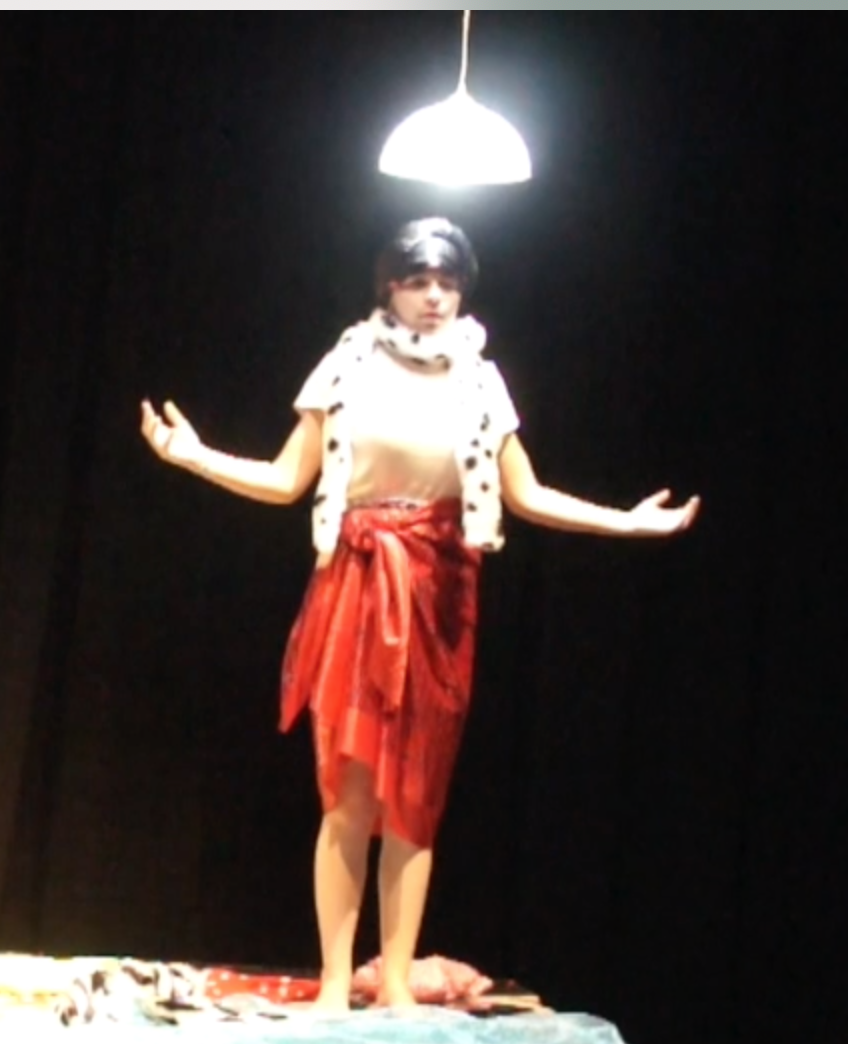
Through practical and theoretical study, learners develop an understanding and enjoyment of drama, developing group and individual skills and studying ways to communicate ideas and feelings to an audience. They learn how to discover performance possibilities of a text and other stimuli, and devise dramatic material of their own. Learners also develop their performance skills, the demonstration of which will form part of their final assessment.
Candidates work with:
- Extracts from published plays
- Stimuli (short titles, poems, pictures, songs, historical events, stories…) for devising dramatic pieces)
- Their own choice of dramatic repertoire
Dramatic material of their own devising. Learners develop their individual and group performance skills, the demonstration of which forms part of the final assessment.
Economics
is essentially about
dealing with scarcity and the problem of resource allocation affecting
individuals, firms and markets, countries, governments and societies. Although
it involves the formulation of theory, it’s not a purely theoretical subject
basically because economic theories can be applied to real-world. It does not
exist in a vacuum, because it naturally must consider how economic theory is to
be applied in an international context.
This is your end of year History examination.
The topic is: Who Started the Cold War?
The examination has 2 parts:
1. A choice of 2 "why" questions (similar to the 6 point IGCSE Paper 1 questions) from 4 options.
2. You will write a dramatic dialogue between 2 individuals who hold differing opinions about who was responsible for starting the Cold War.
You are permitted use any resources available to you (with the exception of colluding with your classmates). Be aware that your responses will be submitted to an online plagiarism check, so ensure that this is your own work and any quotations are properly cited.
When studying the Cambridge IGCSE Music syllabus, learners listen to, perform and compose music, encouraging aesthetic and emotional development, self –discipline and, importantly, creativity. As a result, learners enhance their appreciation and enjoyment of music, an achievement that forms an ideal foundation for future study and enhances lifelong musical enjoyment.
Learners study music of all stiles, each style is placed in its historical and cultural content, and learners are encouraged to be perceptive, sensitive and critical when listening. Although the majority of the syllabus examines Western European music, the music of other cultures is always represented.
Cambridge
IGCSE Literature (Spanish) offers learners the opportunity to read, interpret, evaluate and respond
to a range of literature in Spanish. The range includes drama, prose and poetry
from different periods and cultures. This course enables learners to deepen
their understanding and appreciation of the ways in which writers use Spanish
to express meaning and achieve effects. Learners are stimulated to read for
pleasure, to explore wider and universal issues, promoting a better
understanding of themselves and the world.
Grade 10 IGCSE P.E course description
In the second year of IGCSE P.E, the grade 10 students will:
Grade 10 Course Summary
Students will examine the factors that affect performance in sports. They will identify functions of the skeleton and its relevance to performance and participation in practical activities. Students should also study the different types of joints, the essential parts of joints and types and ranges of movements. They should also know the most important muscles groups and their role in movement and how they work. Also, students should gain an understanding of what motivates people to participate in physical activities and how they prepare for exercise, understand how skills are learned, recognize that certain physiques equip people better for certain activities as well as avoiding the temptation of drugs that have detrimental effects on health and performance.
Students will apply the principles of movement while refining movement skills. They will also demonstrate safe practices regarding the safety of themselves and others and identify the factors that contribute to positive relationships with others. Besides, grade 10 students will analyze Healthy Eating, Growth and Development, and Personal Safety and Injury Prevention.

Cambridge IGCSE Art & Design encourages a range of skills, stimulates aesthetic awareness, knowledge and critical understanding of art, and provides opportunities for learners to develop a range of skills. Crucially, a personal and independent perspective is encouraged at all times. The syllabus is designed to accommodate a wide range of abilities, materials and resources, and allows the different skills of the teaching staff to be fully used.
The syllabus appeals to learners who wish to explore practical work through a range of two- and/or three-dimensional processes and include new media and technologies in addition to traditional media and processes.

Successful Cambridge IGCSE Business Studies learners will be able to understand different forms of business organisations, the environments in which businesses operate and business functions such as marketing, operations, and finance; and appreciate the role of people in business success.
They will also gain lifelong skills, including the ability to calculate and interpret business data, communication skills needed to support arguments with reasons and the ability to analyse business situations and reach decisions or judgements.
Course Description
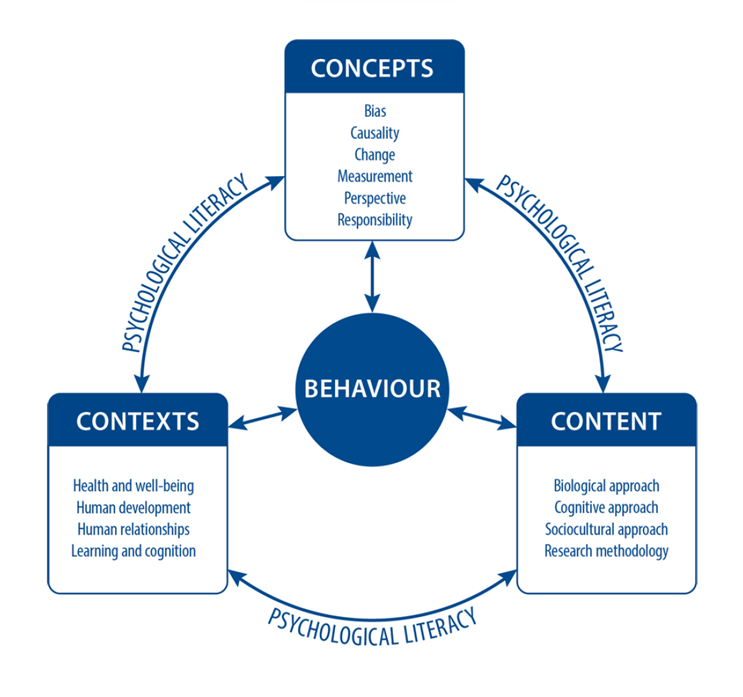
Psychology is the scientific study of human and animal cognition and behaviour with the goal of solving problems and increasing the quality of life for individuals and their communities. The DP psychology course is designed to develop students’ psychological literacy and improve their conceptual understanding through applying psychology in different contexts that are all relevant to their lives.
Students will develop knowledge and understanding of psychological concepts (bias, causality, change, measurement, perspective, responsibility), content (research methodology and biological, cognitive and sociocultural approaches to understanding behaviour) and contexts (health and well-being, human development, human relationships and learning and cognition), as well as relevant models and theories.
SL and HL students will investigate the four contexts using psychological content and concepts relevant to that area of study. In each of the contexts, students will engage in a teacher- and/or student-led class practical and will be required to think critically about data analysis and interpretation in psychological research and everyday claims (i.e. in social media, etc.). Additionally, HL students will be directly assessed on data analysis and interpretation. SL and HL students will engage in an internal assessment task requiring the development of a research proposal on a topic of interest.
HL extensions will require students to further investigate the role of culture, motivation and technology on human behaviour. The extensions are designed to allow additional inquiry into content within the four contexts and extend conceptual understanding.
The aims of the psychology course at SL and HL are to:
• develop knowledge and understanding of psychological concepts, content and contexts, including models and theories
• think critically and creatively about behaviour and cognitive processes
• engage with problems facing individuals, groups and societies using psychological understanding and skills.
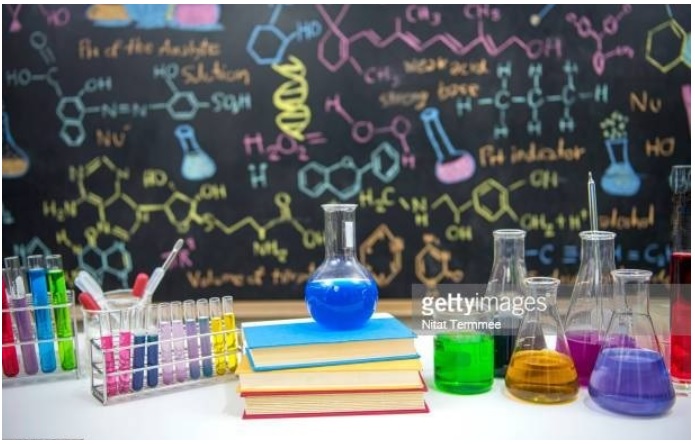
The IBDP Chemistry course provides a thorough understanding of the properties, composition, and reactions of matter. It focuses on core topics such as atomic structure, chemical bonding, stoichiometry, thermodynamics, kinetics, acids and bases, redox reactions, and organic chemistry.
Available at Standard Level (SL) and Higher Level (HL), the course balances theory with practical laboratory work. HL students explore advanced concepts like spectroscopy and electrochemistry. Students develop essential skills in experimental design, data analysis, and scientific investigation through hands-on experiments.
The curriculum connects chemistry principles to real-world contexts, including environmental, industrial, and medicinal applications, fostering critical thinking and problem-solving abilities. Assessments include internal practicals and written exams that test conceptual understanding and quantitative skills.
IBDP Chemistry equips students with a strong foundation for further science study and careers in STEM fields, enhancing both scientific knowledge and practical expertise.
The
IB Creativity, Activity, and Service (CAS) program is a core component of the
IB Diploma, designed to extend students' personal and interpersonal development
through experiential learning. Throughout the first year, students will engage
in a wide range of activities that involve creative thinking, physical
exertion, and community service. The course encourages students to explore new
ideas, develop new skills, and contribute positively to their communities. Key
skills covered include project planning, reflection, time management, and
collaboration. Learning activities include creative projects, physical
activities, and service initiatives, all documented and reflected upon in a CAS
portfolio. Students will demonstrate their understanding by completing and
reflecting on their CAS experiences, culminating in a final project that
showcases their growth and achievements.
Course Description
Grade 11 P.E is a two-year course that combines the theoretical and practical aspects of Physical Education. This course has been designed not only to foster the general physical development but also, the enjoyment of physical activity. The knowledge the students will gain will enable them to develop passion for physical activities and a life lasting love for it.
The P.E lessons will be divided into two sessions:
Session 1: Theoretical content (15 minutes)
Session 2: Practical activity (30 minutes)
Students will be assessed through their active participation in both, the theoretical and practical sessions in every lesson. They will also be assessed in the practical part through the Physical Skill Test at the end of every term. and in the theoretical part by designing, implementing and evaluating a Personal Health and Fitness Plan which is a final assessment.Course Objectives
Grade 11 P.E
students will:
• demonstrate an understanding and appreciation of the benefit of physical
activity and sport for health, fitness and well-being
• develop their knowledge, skills and understanding of different forms of physical activity
• use and apply this knowledge and understanding to improve their performance
• demonstrate the ability to select and perform appropriate skills to produce effective performance
This course is aimed at ISH Grade 11 and 12 students who are doing the IBO Physics course at Standard and Higher Levels. It covers five units of the IBO program for Physics (starting from 2025). Here, students can find different resources that will help them complete the syllabus content.
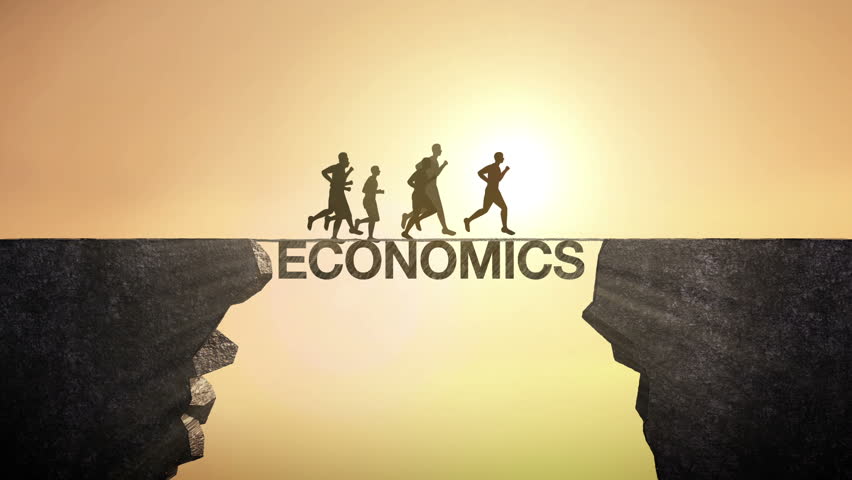
Economics is an exciting, dynamic subject that allows students to develop an understanding of the complexities and interdependence of economic activities in a rapidly changing world.
At the heart of economic theory is the problem of scarcity. While the world’s population has unlimited needs and wants, there are limited resources to satisfy these needs and wants. As a result of this scarcity, choices have to be made. The economics course, at both SL and HL, uses economic theories to examine the ways in which these choices are made:
• at the level of producers and consumers in individual markets (microeconomics)
• at the level of the government and the national economy (macroeconomics)
• at an international level where countries are becoming increasingly interdependent through international trade and the movement of labour and capital (the global economy).
The choices made by economic agents (consumers, producers and governments) generate positive and negative outcomes and these outcomes affect the relative well-being of individuals and societies. As a social science, economics examines these choices through the use of models and theories. The Diploma Programme (DP) economics course allows students to explore these models and theories, and apply them, using empirical data, through the examination of the following six real-world issues which are posed as economic questions:
• How do consumers and producers make choices in trying to meet their economic objectives?
• When are markets unable to satisfy important economic objectives—and does government intervention help?
• Why does economic activity vary over time and why does this matter?
• How do governments manage their economy and how effective are their policies?
• Who are the winners and losers of the integration of the world’s economies?
• Why is economic development uneven?
WELCOME TO THE NEW ACADEMIC YEAR 2021 - 2022 !!!

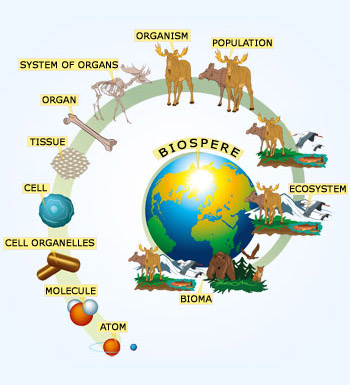
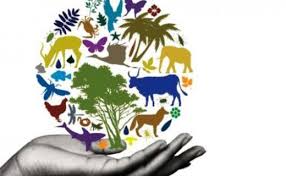
ESS is a complex course, requiring a diverse set of skills from its students. It is firmly grounded in both a scientific exploration of environmental systems in their structure and function and in the exploration of cultural, economic, ethical, political, and social interactions of societies with the environment. As a result of studying this course, students will become equipped with the ability to recognize and evaluate the impact of our complex system of societies on the natural world. The interdisciplinary nature of the course requires a broad skill set from students and includes the ability to perform research and investigations and to participate in philosophical discussion. The course requires a systems approach to environmental understanding and problem solving, and promotes holistic thinking about environmental issues. It is recognized that to understand the environmental issues of the 21st century and suggest suitable management solutions, both the human and environmental aspects must be understood. Students should be encouraged to develop solutions from a personal to a community and to a global scale.
Through the exploration of cause and effect, the course investigates how values interact with choices and actions, resulting in a range of environmental impacts. Students develop an understanding that the connections between environmental systems and societies are diverse, varied and dynamic. The complexity of these interactions challenges those working towards understanding the actions required for effective guardianship of the planet and sustainable and equitable use of shared resources.
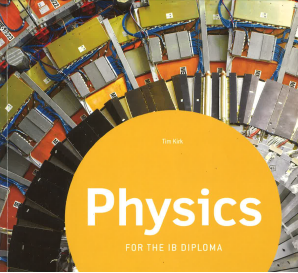
This course is aimed at ISH Grade 11 students who are doing the IBO Physics course at a Standard Level. It covers 5 units of the IBO program for Physics (starting from 2016). Here students can find different resources that will help them in completing the following topics: Measurements and errors, Mechanics, Circular Motion, Thermal Physics and Waves
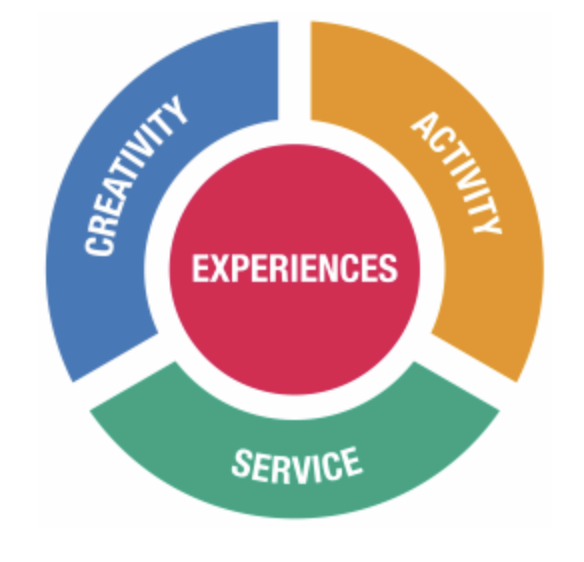
Welcome to CAS in Grade 11, her we will share ideas and plans for the continuation of CAS
Available at both higher and standard levels, the language B courses are designed for students with some previous experience of learning the target language.
The focus of these courses is on language acquisition and the development of skills considerably beyond those expected of an ab initio candidate, up to a fairly sophisticated degree at higher level.
Language B courses give students the opportunity to reach a high degree of competence in a language and explore the culture(s) using the language. The range of purposes and situations for which and in which the language is used extends well beyond those at ab initio, to conceptual understandings related to Identities, experiences, Human Ingenuity, social organization and sharing the planet. The types of language needed for these purposes and situations are more refined.
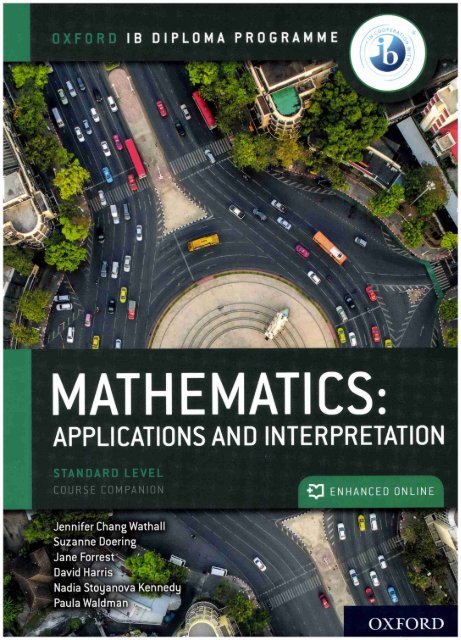
Mathematics: applications and interpretation is for students who are interested in developing their mathematics for describing our world and solving practical problems. They will also be interested in harnessing the power of technology alongside exploring mathematical models. Students who take Mathematics: applications and interpretation will be those who enjoy mathematics best when seen in a practical context.
Students who wish to take Mathematics: applications and interpretation at higher level will have good algebraic skills and experience of solving real-world problems. They will be students who get pleasure and satisfaction when exploring challenging problems and who are comfortable to undertake this exploration using technology.
|
English A:
Language and Literature aims at studying the complex and dynamic nature of
language and exploring both its practical and aesthetic dimensions. The
course will explore the crucial role language plays in communication,
reflecting experience and shaping the world, and the roles of individuals
themselves as producers of language. Throughout the course, students will
explore the various ways in which language choices, text types, literary
forms and contextual elements all effect meaning. Through close analysis of various text types and literary forms, students will consider their own interpretations, as well as the critical perspectives of others, to explore how such positions are shaped by cultural belief systems and to negotiate meanings for texts. The aims of studies in language and literature courses are to enable students to: · engage with a range of texts, in a variety of media and forms, from different periods, styles and cultures · develop skills in listening, speaking, reading, writing, viewing, presenting and performing · develop skills in interpretation, analysis and evaluation · develop sensitivity to the formal and aesthetic qualities of texts and an appreciation of how they contribute to diverse responses and open up multiple meanings · develop an understanding of relationships between texts and a variety of perspectives, cultural contexts, and local and global issues, and an appreciation of how they contribute to diverse responses and open up multiple meanings · develop an understanding of the relationships between studies in language and literature and other disciplines · communicate and collaborate in a confident and creative way · foster a lifelong interest in and enjoyment of language and literature. |

The IB Diploma Programme visual arts course encourages students to challenge their own creative and cultural expectations and boundaries. It is a thought-provoking course in which students develop analytical skills in problem-solving and divergent thinking, while working towards technical proficiency and confidence as art-makers. In addition to exploring and comparing visual arts from different perspectives and in different contexts, students are expected to engage in, experiment with and critically reflect upon a wide range of contemporary practices and media. The course is designed for students who want to go on to study visual arts in higher education as well as for those who are seeking lifelong enrichment through visual arts.
|
Name of teacher & date |
Ms. Mariela B. Tuesday March 17th, 2020 |
|
Subject & Focus areas |
Spanish Foreign Language Ab Initio G11 Writing |
|
Success criteria |
I can write about Spanish speaking countries end of year traditions. |
|
Due date and/or time allocation |
Due Friday March 20th 1 hour allocation |
Instructions:
Viajaste a un país hispano y te quedaste allí desde diciembre hasta enero (fin de año). Quieres compartir con otros jóvenes lo que aprendiste sobre sus costumbre y tradiciones en esa época del año. Escoge un tipo de texto apropiado para eso y escribe entre 70-150 palabras.
Textos: blog / diario / articulo / carta

The language A: literature aims at exploring the various manifestations
of literature as a particularly powerful mode of writing across cultures and
throughout history. The course aims at developing an understanding of factors
that contribute to the production and reception of literature—the creativity of
writers and readers, the nature of their interaction with their respective
contexts and with literary tradition, the ways in which language can give rise
to meaning and/or effect, and the performative and transformative potential of
literary creation and response. Through close analysis of a range of literary
texts in a number of literary forms and from different times and places,
students will consider their own interpretations as well as the critical
perspectives of others, to explore how such positions are shaped by cultural
belief systems and to negotiate meanings for texts.
This course is designed to support students who study French B for the International Baccalaureate Diploma Programme at either Higher or Standard Level.
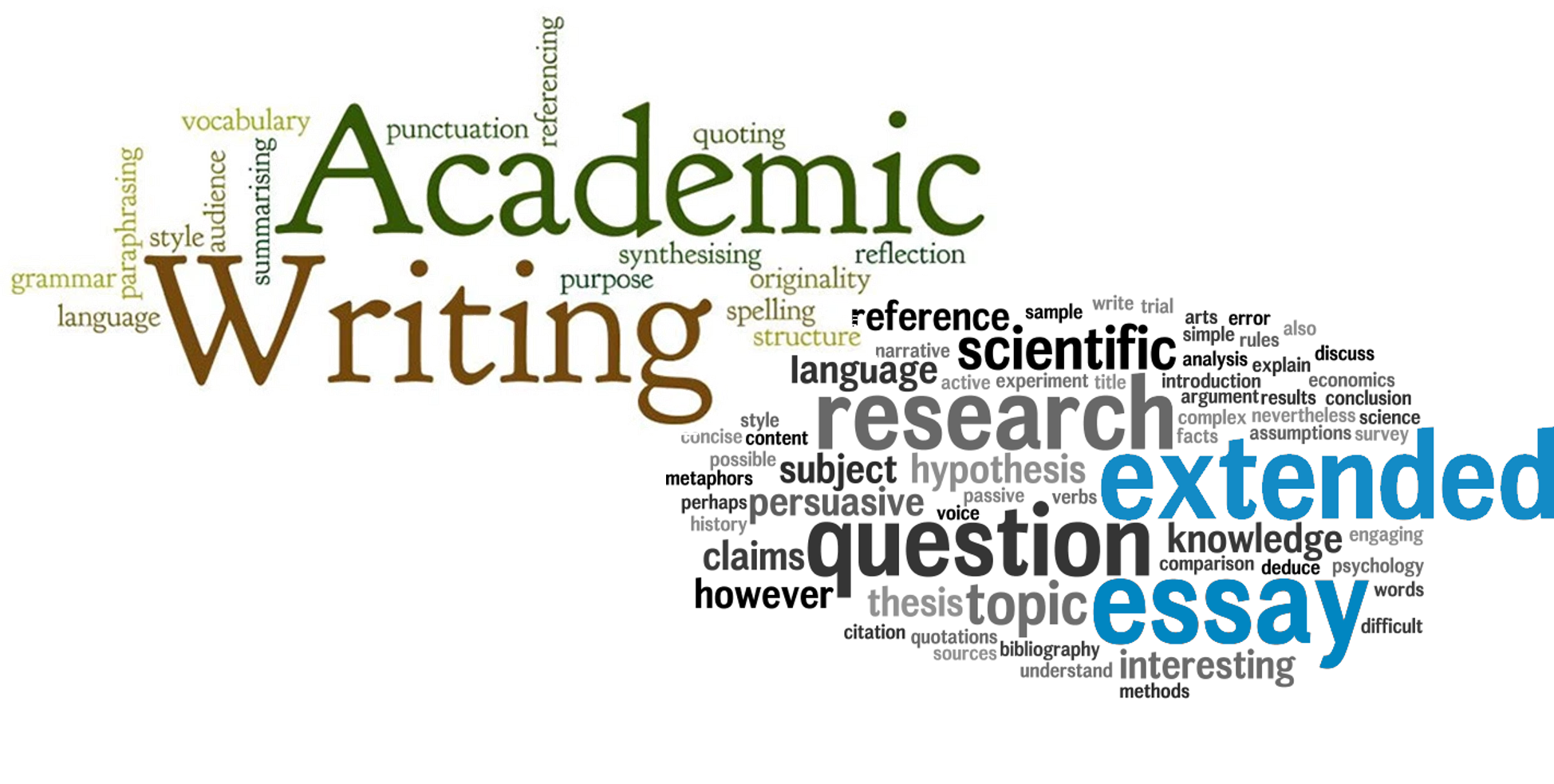
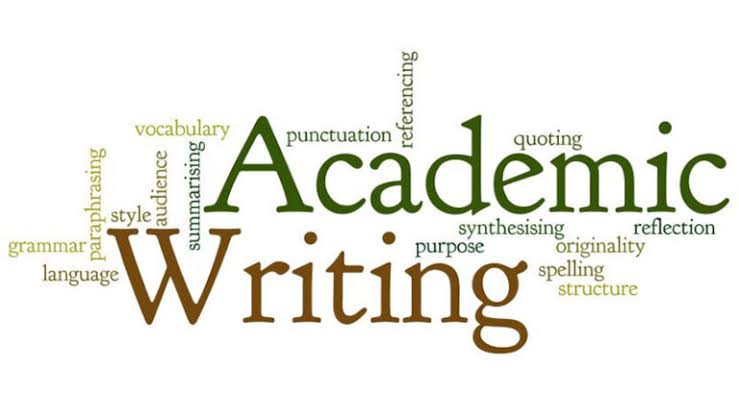
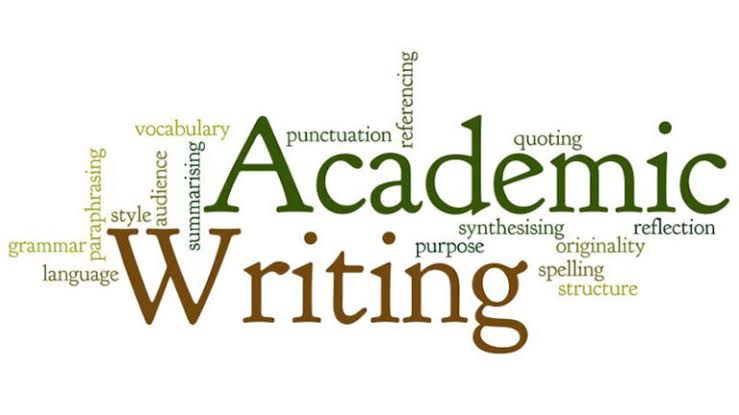
In this course, you will develop your academic writing skills which you will need to apply across subjects in your IB - ISHDP programme. You will also receive specific guidance for your learning journey with the IB Extended Essay. You will become familiar with the requirements and expectations of this piece of independent research that the IB has set as part of its core.
Do ask questions to clarify everything that you might want to address.
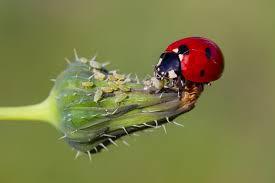
IB Environmental Systems and Societies is a trans disciplinary subject, a college-level introduction to ecology. It is science applied to ideas presented in geography, economics, and TOK. We’ll look at the ways different people around the world perceive and respond to various environmental issues, and we’ll dig deeper into their experiences and motivations for taking action (or not taking action).
ESS covers eight major topics: foundations of the course and its major ideas, ecosystem structure and function, biodiversity, water resources, soil systems and food production, atmospheric science, climate change and energy production, and the interaction between human populations and resource use.
This course is aimed at ISH Grade 12 students who are doing the IBO Physics course at Standard and Higher Levels. It covers 4 and 3 units of the IBO program (starting from 2016) for SL and HL Physics respectively. Here students can find different resources that will help them in completing the following topics: Measurements and uncertainties; Waves; Electricity and magnetism; Atomic, nuclear, and particle Physics together with Wave phenomena (HL); Fields (HL), and Electromagnetic induction (HL).


Welcome to your Theory of Knowledge course? Let's question the truth by thinking outside the box! Enjoy this journey of discovery!
|
Course Description English A: Language and Literature consists of studying the complex and dynamic nature of language and exploring both its practical and aesthetic dimensions. The course will explore the crucial role language plays in communication, reflecting experience and shaping the world, and the roles of individuals themselves as producers of language. Throughout the course, students will explore the various ways in which language choices, text types, literary forms and contextual elements all affect meaning. Through close analysis of various text types and literary forms, students will consider their own interpretations, as well as the critical perspectives of others, to explore how such positions are shaped by cultural belief systems and to negotiate meanings for texts. The aims of studies in language and literature courses are to enable students to: · engage with a range of texts, in a variety of media and forms, from different periods, styles and cultures · develop skills in listening, speaking, reading, writing, viewing, presenting and performing · develop skills in interpretation, analysis and evaluation · develop sensitivity to the formal and aesthetic qualities of texts and an appreciation of how they contribute to diverse responses and open up multiple meanings · develop an understanding of relationships between texts and a variety of perspectives, cultural contexts, and local and global issues, and an appreciation of how they contribute to diverse responses and open up multiple meanings · develop an understanding of the relationships between studies in language and literature and other disciplines · communicate and collaborate in a confident and creative way · foster a lifelong interest in and enjoyment of language and literature. |
Believe it or not!!!
Mathematics: applications and interpretation is for students who are
interested in developing their mathematics for describing our world and
solving practical problems. They will also be interested in harnessing
the power of technology alongside exploring mathematical models.
Students who take Mathematics: applications and interpretation will be
those who enjoy mathematics best when seen in a practical context.
Creativity, activity, service (CAS) is one of the three essential elements that every student must complete as part of the Diploma Programme (DP).
Studied throughout the Diploma Programme, CAS involves you as students in a range of activities alongside your academic studies.
How is this course different from SL?
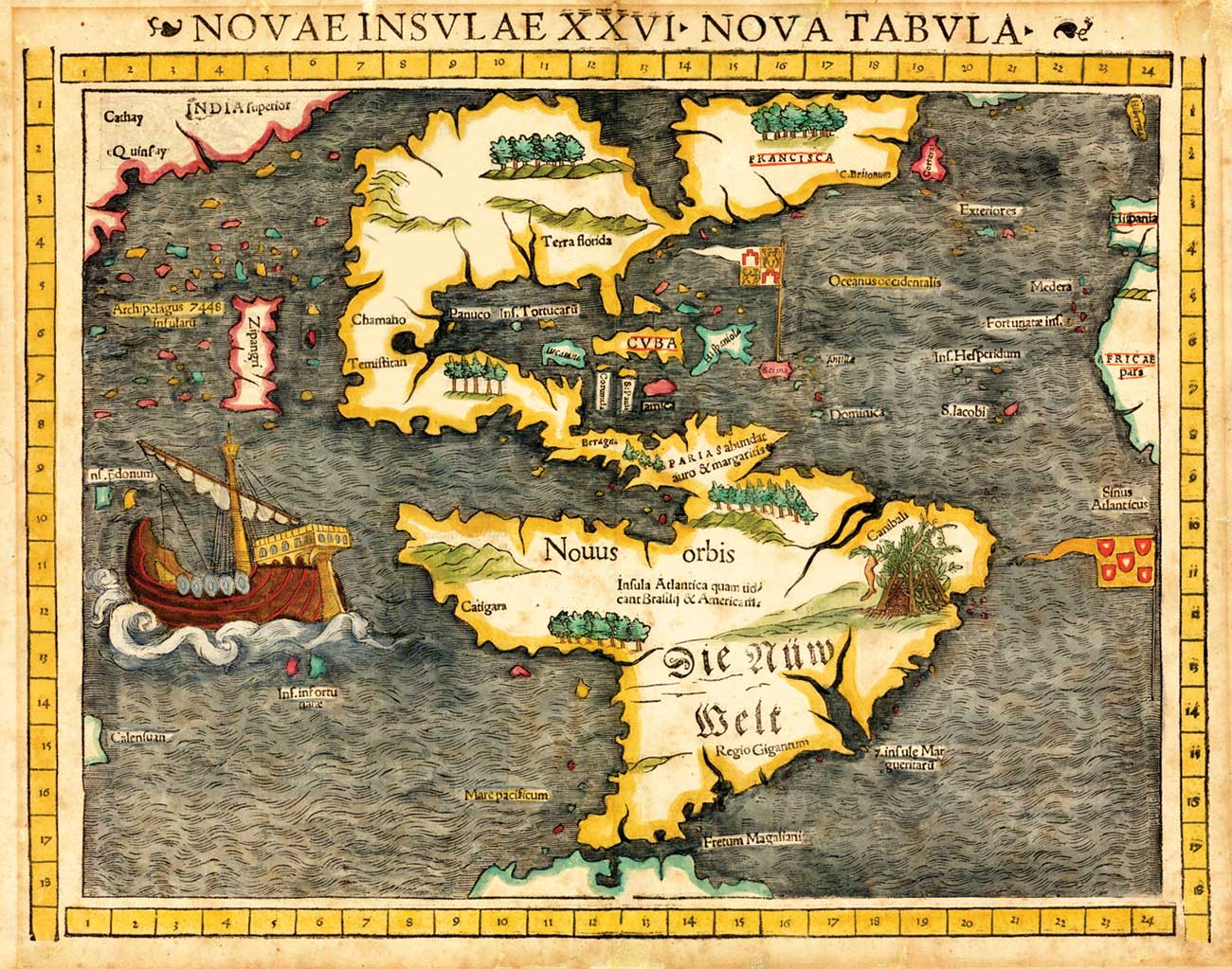
Students at standard level (SL) and higher level (HL) are presented with a syllabus that has a common core consisting of prescribed subjects and topics in world history. In addition, students at HL are also required to undertake an in-depth study of three sections from one of the HL regional options. While many of the skills of studying history are common to both SL and HL, the difference in recommended teaching hours at SL and HL signals a clear distinction between the demands made on students, with the greater depth of study required for HL.
History is a dynamic, contested, evidence-based discipline that involves an exciting engagement with the past. It is a rigorous intellectual discipline, focused around key historical concepts such as change, causation and significance.
History is an exploratory subject that fosters a sense of inquiry. It is also an interpretive discipline, allowing opportunity for engagement with multiple perspectives and a plurality of opinions. Studying history develops an understanding of the past, which leads to a deeper understanding of the nature of humans and of the world today.
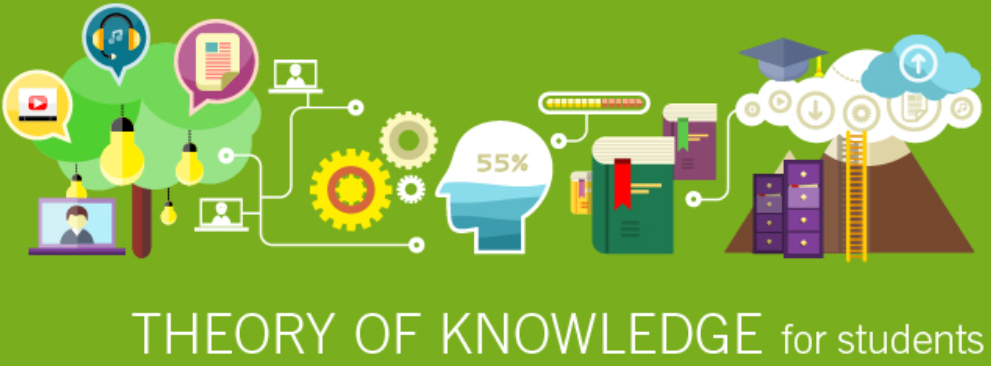
Looking at areas of knowledge (Art, History, Maths, Natural and Human Sciences) as well as other knowledge systems, and considering how perspectives, scope and ethics change.
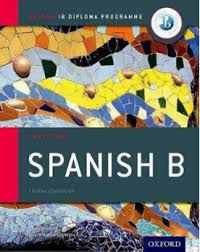
This course is designed to support students through their two-year Diploma Programme course of study in Spanish B.

Available at both higher and standard levels, the language B courses are designed for students with some previous experience of learning the target language.
The focus of these courses is on language acquisition and the development of skills considerably beyond those expected of an ab initio candidate, up to a fairly sophisticated degree at higher level.
Language B courses give students the opportunity to reach a high degree of competence in a language and explore the culture(s) using the language. The range of purposes and situations for which and in which the language is used extends well beyond those at ab initio, to conceptual understandings related to Identities, experiences, Human Ingenuity, social organization and sharing the planet. The types of language needed for these purposes and situations are more refined.
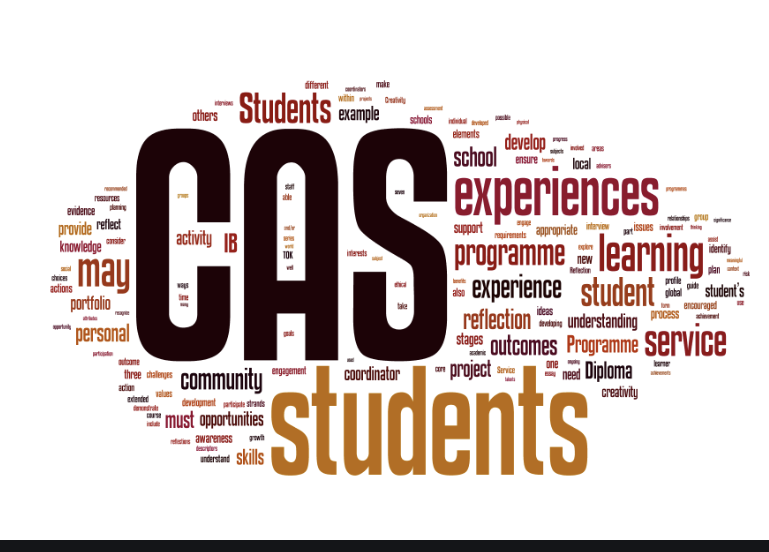
This is the administrative instruction for the CAS folder.

This is the review session for the Complete IB Chemistry Diploma
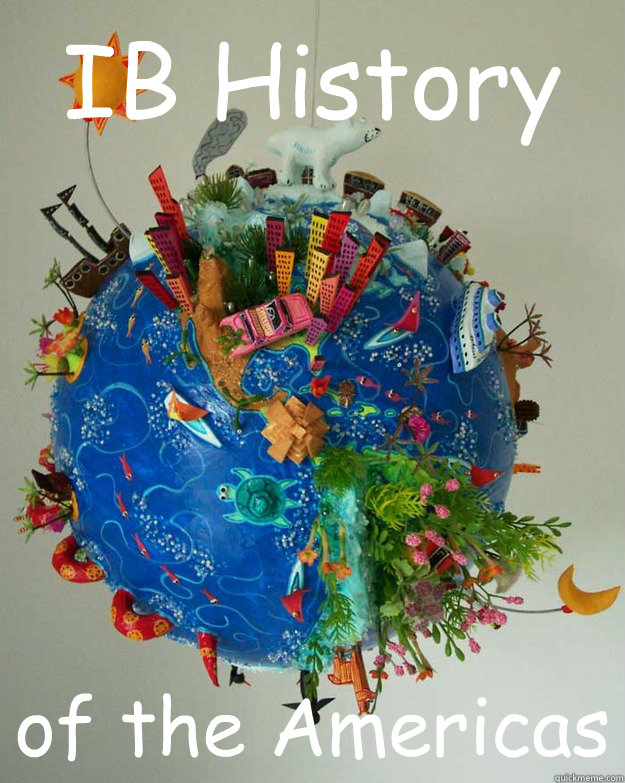
This is where you will find lessons and assignments for Grade 12 SL History

-We will first complete the Macroeconomics section of the syllabus (we are missing Monetary Policy and Suply-Side Policies)
-We will also be working on IA Commentary 2 on this section.
-Then we will learn about Intertational Trade and write the IA Commerntary 3.

The IB Diploma Programme visual arts course encourages students to challenge their own creative and cultural expectations and boundaries. It is a thought-provoking course in which students develop analytical skills in problem-solving and divergent thinking, while working towards technical proficiency and confidence as art-makers. In addition to exploring and comparing visual arts from different perspectives and in different contexts, students are expected to engage in, experiment with and critically reflect upon a wide range of contemporary practices and media. The course is designed for students who want to go on to study visual arts in higher education as well as for those who are seeking lifelong enrichment through visual arts.
Psychology is the rigorous and systematic study of mental processes and behaviour. It is a complex subject which draws on concepts, methods and understandings from a number of different disciplines. There is no single approach that would describe or explain mental processes and behaviour on its own as human beings are complex, with highly developed frontal lobes, cognitive abilities, involved social structures and cultures.
Course Description
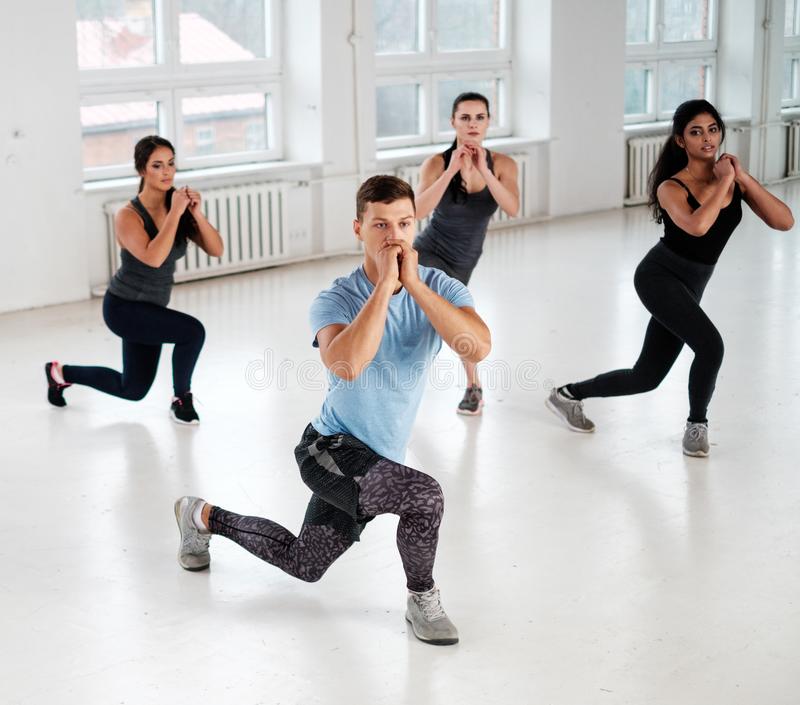
Grade 12 P.E this is a final year course that combines the theoretical and practical aspects of Physical Education. This course has been designed to foster enjoyment in physical activity and the knowledge students will gain will enable them to develop passion for physical activities and a life lasting love for it.
The P.E lesson is divided into two sessions:
Session 1: Theoretical content (15 minutes)
Session 2: Practical activity (30 minutes)
Course Description
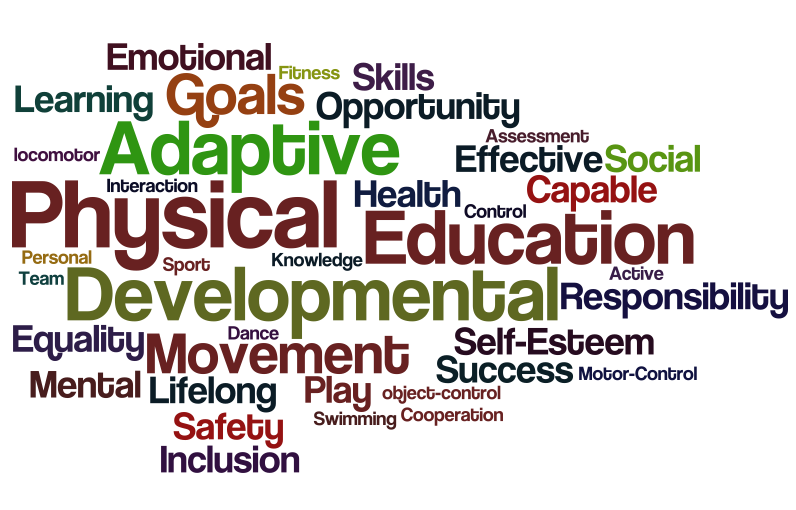
Grade 12 P.E this is a final year course that combines the theoretical and practical aspects of Physical Education. This course has been designed to foster enjoyment in physical activity and the knowledge students will gain will enable them to develop passion for physical activities and a life lasting love for it.
The P.E lesson is divided into two sessions:
Session 1: Theoretical content (15 minutes)
Session 2: Practical activity (30 minutes)
Course Objectives
Grade 12 P.E
students will:
• demonstrate an understanding and appreciation of the benefit of physical
activity and sport for health, fitness and well-being
• develop their knowledge, skills and understanding of different forms of physical activity
• use and apply this knowledge and understanding to improve their performance
• demonstrate the ability to select and perform appropriate skills to produce effective performance
•design, implement and evaluate a personal health and fitness plan